Bird Spikes vs Bird Netting: Which One Does Your Building Need?
A side-by-side comparison of bird spikes and bird netting — coverage, cost, lifespan, appearance and the surfaces where each is the only correct choice.
By Perfect Bird Netting Service ·
Customers usually ask which is better. The honest answer is that they solve different geometries. Netting closes an opening. Spikes deny a ledge. A building with both an opening and a ledge — which is most buildings — needs both.
The core difference in one line
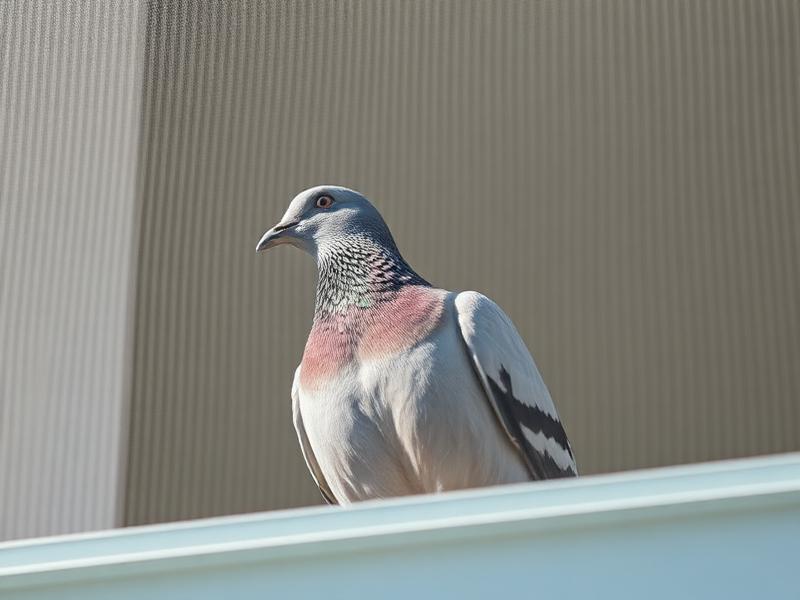
If a bird could fly through the space, you need a net. If a bird could only land on the surface, you need spikes.
| Criterion | Bird netting | Bird spikes |
|---|---|---|
| Function | Total exclusion from a volume | Prevents landing on a surface |
| Typical rate | ₹8–₹14 / sq ft | ₹70–₹150 / running ft |
| Life | 8–10 years (virgin UV HDPE) | 10+ years (SS 304) |
| Visibility | Nearly invisible at distance | Visible up close, low profile |
| Best surfaces | Balconies, shafts, atriums, sheds | Parapets, sills, signage, beams, ACs |
| Fails when | Hooks under-spaced or wire is galvanised | Strip narrower than the ledge |
When netting is the only right answer
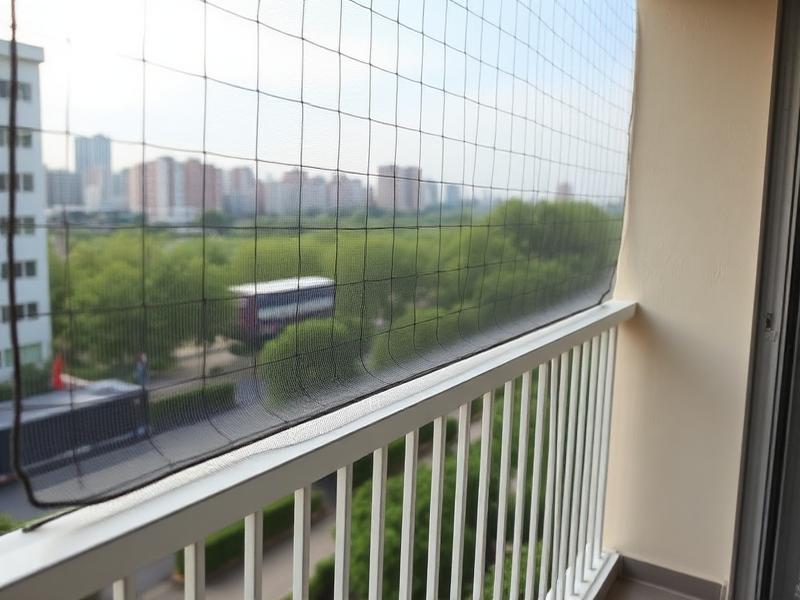
- Balcony openings — you are protecting a usable volume, not a ledge.
- Ventilation shafts and light wells where birds nest out of reach.
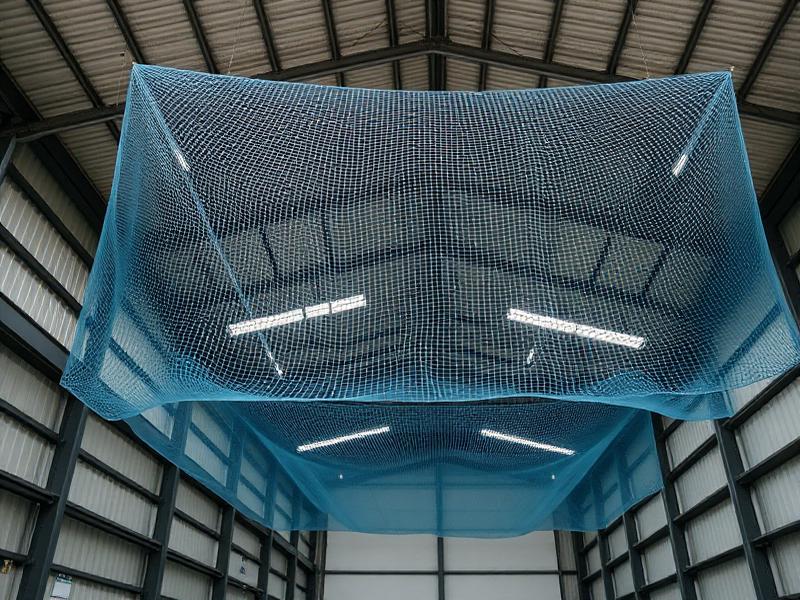
- Warehouse and factory openings, where birds must be kept off stock entirely.
- Hospital and food-industry areas where audit requires demonstrable exclusion.
Specification detail for residential work is in pigeon net for balcony; for large spans see warehouse bird netting.
When spikes are the only right answer
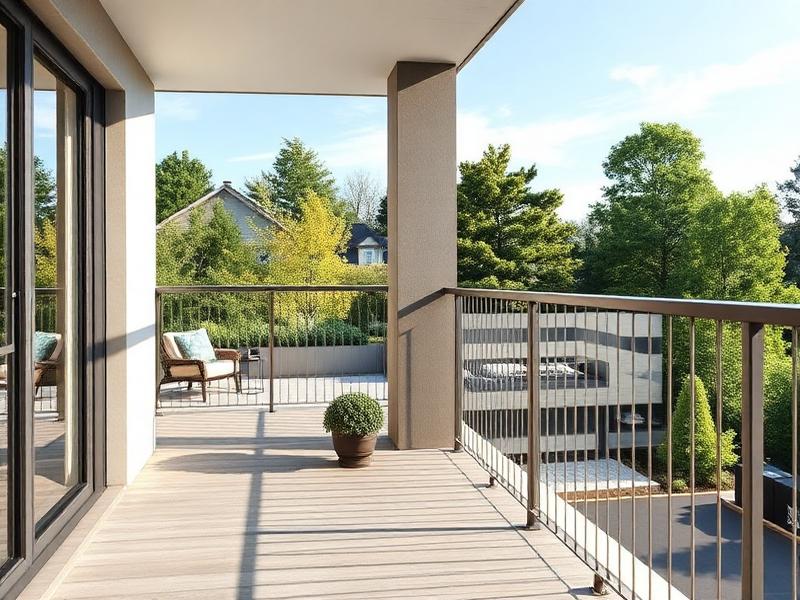
- Parapet tops and coping stones, where there is nothing to net across.
- Window sills and chajjas above the window line.
- Signage frames, CCTV brackets and light fittings.
- AC outdoor unit tops — a favourite pigeon roost.
- Structural beam soffits inside sheds and canopies.
Getting spike specification right
| Ledge width | Spike strip | Rows |
|---|---|---|
| Up to 3 inches | Narrow strip | 1 |
| 3–6 inches | Standard strip | 2 |
| 6–10 inches | Wide strip or paired strips | 2–3 |
| Over 10 inches | Multiple strips or net the recess | 3+ |
The most common spike failure we see is a single narrow strip on a wide ledge. Birds land behind it and the ledge is no cleaner than before. Full coverage of the landing surface is non-negotiable.
Cost compared honestly
The units differ, so a direct comparison needs a real example. Take a 10 ft balcony with a 10 ft parapet top:
| Scope | Method | Quantity | Approx cost |
|---|---|---|---|
| Balcony opening | HDPE net @ ₹12/sq ft | 70 sq ft | ₹840 |
| Parapet top | SS spikes @ ₹100/rft | 10 rft | ₹1,000 |
| Both | Net + spikes | — | ₹1,840 |
Spikes look expensive per unit but cover a tiny quantity. For a full building, netting dominates the bill because the area is large. Rate detail is in pigeon net price per square feet.
Appearance and society approval
Transparent netting disappears from street level, which is why housing societies approve it readily. Spikes are visible from close range but sit below the parapet line from below. Neither changes the facade the way an iron grill does — a comparison we make in invisible grill vs traditional iron grill.
Durability and what actually breaks
Netting fails at the hook line, not the mesh. Spikes fail at the adhesive, not the pins. Both failures come from the same root cause — installing over an uncleaned, dropping-covered surface. Cleaning is not an upsell; it is what makes the fixing hold.
Spikes glued onto droppings peel off in one monsoon. Every time.
Post-monsoon inspection habits for both systems are covered in monsoon maintenance for bird nets.
A combined strategy for a typical building
| Building element | Recommended |
|---|---|
| Balcony openings | 25 mm UV HDPE net |
| Parapet tops | SS 304 spikes, full ledge width |
| Ventilation shafts | Net at shaft mouth |
| AC ledges | Net wrap + spikes on the unit top |
| Terrace machine room ledges | Spikes |
| Stilt parking beams | Net between beams |
Conclusion
Do not choose between spikes and netting — map your building and apply each where the geometry demands it. Openings get nets; ledges get spikes; everything gets cleaned first. That combination is what makes a building permanently bird-free.
We survey the full building, mark every element and quote both systems in one document. Book a free site inspection or explore our full service list.
Frequently asked
Are bird spikes better than bird netting?
Neither is better — they suit different geometries. Netting excludes birds from an opening such as a balcony or shaft; spikes stop landing on a flat ledge like a parapet or sill. Most buildings need both.
How much do bird spikes cost in India?
Roughly ₹70 to ₹150 per running foot installed for stainless steel spikes on a UV polycarbonate base, depending on ledge width and the number of rows required.
Do bird spikes work on wide ledges?
Only with enough rows to cover the full landing surface. A single narrow strip on a wide parapet just shifts the birds behind it, which is the most common installation mistake we see.
Can I use netting and spikes together?
Yes, and it is the standard professional approach — net across every opening and spike the external ledges that cannot be netted.
Our services in Indore
Every installation below is fitted by our own Indore crew, with a free site inspection and written warranty.
Get a free site inspection
Share a photo of your opening and we'll send a written per-sq-ft quote the same day.
Chat on WhatsApp